Home / Articles
Preventive Botox: Is It Too Early to Start in Your 20s?
Home / Articles
Preventive Botox: Is It Too Early to Start in Your 20s?
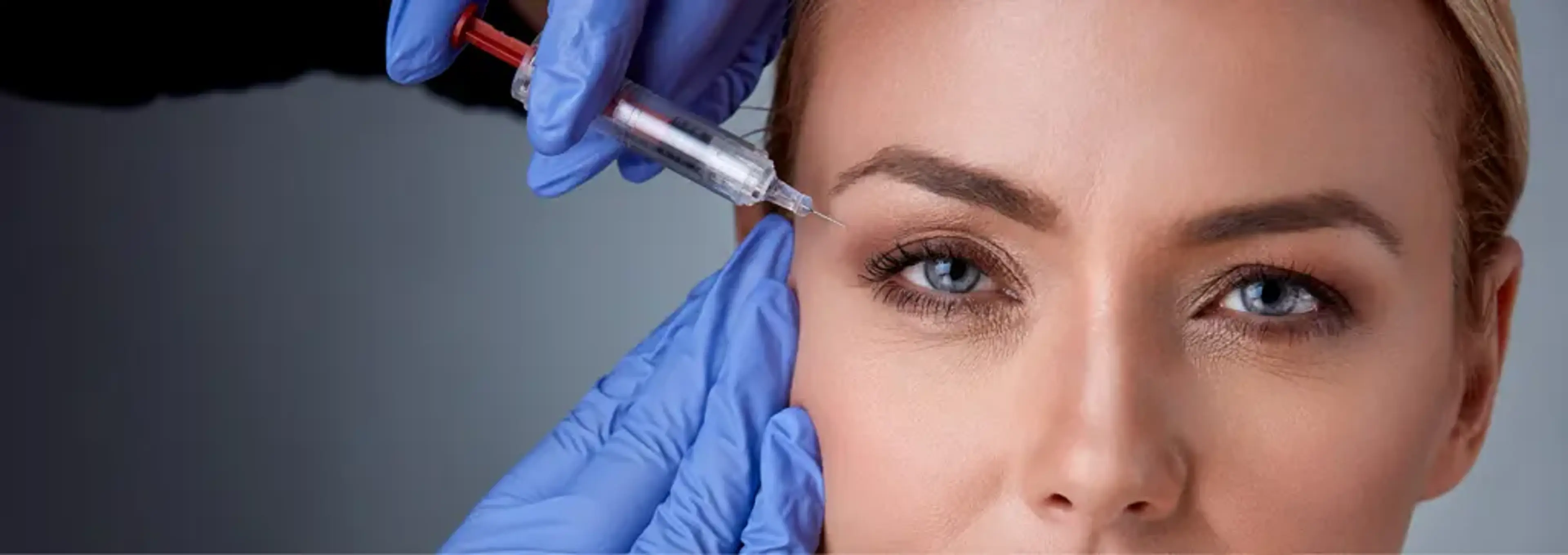
These small frustrations are what lead both local patients and international visitors to explore Botox in Seoul, a city now known as a global center for precision-based aesthetic medicine. And to be honest, despite how common it’s become, Botox is still one of the most misunderstood treatments in aesthetic dermatology. Many people imagine a frozen forehead or an overdone celebrity. Yet, when performed correctly — especially with a philosophy grounded in subtlety and harmony — Botox can be one of the gentlest ways to refresh the face without changing who you are.
At Arke Clinic in Gangnam, where we treat patients seeking refined facial rejuvenation or a natural anti-aging approach, Botox is often the first step in understanding how the face ages and how small adjustments can restore balance.
This article is a deep, narrative-style explanation of what Botox truly is, why it works, and how clinics like ours in Seoul use it safely and artistically.
The effects typically begin around day three and reach their full result within two weeks.
A patient in their late 20s or early 30s often asks, “Is it too early?” In Seoul’s aesthetic field, especially in districts like Gangnam where facial rejuvenation standards are extremely advanced, preventive Botox is perfectly normal. By treating overactive muscles early, you slow the long-term deepening of lines that become much harder to treat later.
Walking around Gangnam, you’ll see dozens of clinics offering Botox — but the reasons people seek it out here extend beyond convenience.
Many of our Gangnam patients come during lunch breaks. A few tiny injections, no downtime, and back to work. This level of efficiency is part of why non-surgical treatments in Korea have grown so significantly.
Korea is extremely strict about medical safety protocols. At Arke Clinic, for instance, every injection is performed by Dr. Kim or a trained specialist under his direct supervision — never delegated carelessly. This matters more than people realize; even a millimeter off can affect the eyebrows or the smile.
In Korean plastic surgery culture, “natural” is not an option — it’s the expectation. Botox here isn’t used to freeze but to soften. Many of our international patients notice that even within a week, they look refreshed in a way their friends struggle to pinpoint. That subtlety is the hallmark of Botox in Gangnam.
Although I won’t use a listicle format, it’s helpful to speak to the regions of the face because each carries unique aesthetic implications.
These two areas often reveal stress or fatigue before anything else. The trick is balancing forehead relaxation with eyebrow support. Too much Botox in the forehead can drop the brows; too little around the glabella can leave a persistent “angry” expression. At Arke Clinic, we plan these areas together because they function as a unit.
This is one of the areas where natural results truly matter. Crow’s feet soften beautifully when the injection points are placed with a painter’s sensitivity. Dr. Kim often calls this “feathering” — dispersing the relaxation evenly so patients still smile with their eyes.
Among both locals and medical tourists, masseter reduction is extremely popular in Seoul. For patients with strong chewing muscles or square jawlines, Botox here creates a more tapered lower face over several months. It’s subtle yet transformative.
These micro-adjustments help refine facial expression in ways people rarely notice consciously — but they feel the difference when they look in the mirror. A slight boost to the upper lip, a smoother chin, or fewer scrunch lines when smiling can enhance harmony without altering identity.
There are two truths surgeons know but rarely say publicly:
People often ask, “Should I inject more for longer-lasting results?” The reality is that Botox results depend more on regular intervals — usually every 4–6 months — than on increasing quantity. Maintaining a relaxed baseline prevents deep creases from returning.
Even identical twins can have different patterns of expression. This is why copy-and-paste dosing never works. Experienced injectors study how your face moves — how you smile, how your eyebrows lift — and design a map that preserves your natural rhythm.
At Arke Clinic, we take photos, analyze expression, and discuss what you want to maintain (a lifted brow, expressive eyes) versus what you want to soften. This kind of intentional planning is unusual in high-volume clinics but essential for natural outcomes.
Some patients combine Botox with:
Botox doesn’t replace these treatments — it complements them. Think of it as smoothing the surface of a sculpture while other treatments shape the underlying form.
Botox is incredibly safe when performed correctly, but precision is non-negotiable. Here’s what to look for when choosing a clinic:
Most patients describe the sensation as a quick pinch, nothing more. The entire procedure takes about five minutes. There’s no downtime, though we usually recommend avoiding intense workouts or saunas for 24 hours.
The emotional transformation, however, is bigger than people expect.
What Botox does, when done well, is restore alignment between how you feel and how you appear to others.
Whether you’re exploring Botox for the first time or refining your long-term rejuvenation plan, know that you’re not alone in wanting natural results. Seoul — and especially Gangnam — has become a global destination for aesthetic precision because the philosophy here is deeply patient-centered.
At Arke Clinic, led by Dr. In-Bae Kim, our focus is always on safety, personalization, and results that look effortless. If you’ve been thinking about softening expression lines, refreshing your look, or approaching anti-aging in a measured, natural way, a consultation can help you understand the best plan for your face.
You're welcome to ask specific questions, request a personalized plan, or explore related treatments like facial contouring, microfat grafting, or blepharoplasty in Seoul.