Home / Articles
Pigmentation Treatment Options: What Works Best for Asian Skin
Home / Articles
Pigmentation Treatment Options: What Works Best for Asian Skin
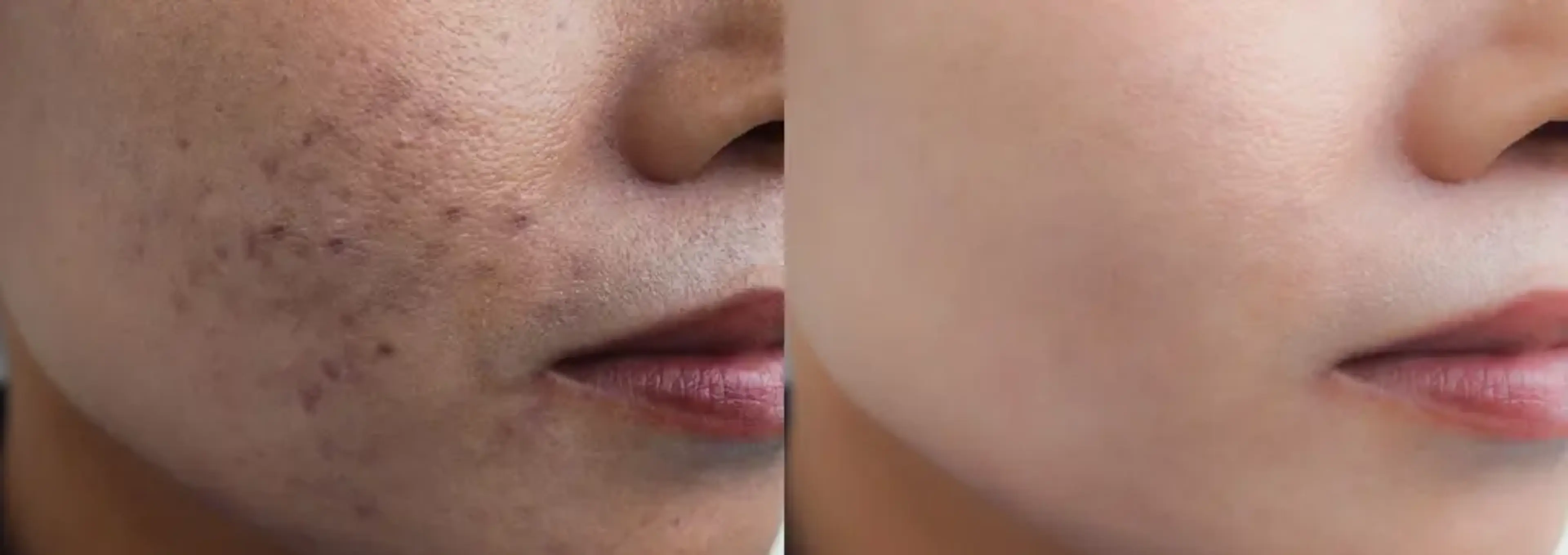
In the world of aesthetic medicine, pigmentation behaves differently for every person — but for Asian skin, it carries its own unique personality. It darkens easily, it reacts quickly, and to be honest, it sometimes insists on returning even after treatment. This is why, in Seoul — a city famous for advanced dermatology and meticulous beauty care — patients are becoming more thoughtful about which pigmentation treatments truly work for their skin type rather than following trends.
This article is meant to be a calm, honest guide — shaped by real clinical experience, the philosophy of precision-driven care, and the insights we’ve gained treating Asian skin in all its beautiful diversity.
If you’ve ever felt like your dark spots develop faster or linger longer than those of friends with lighter skin tones, you’re not imagining it. Melanin — the natural pigment that protects our skin from UV damage — is more active and more reactive in Asian skin.
This is why even small triggers—like a minor pimple, a bit of friction from glasses, or sun exposure during a short lunchtime walk—can lead to long-lasting darkening.
The three pigmentation types we most often see in our Seoul dermatology practice are:
These form due to cumulative UV exposure — something almost unavoidable in sunny, humid Asian climates.
Understanding the subtype is essential because a treatment that works beautifully for sunspots may worsen melasma, and a brightening laser that clears freckles can inflame PIH if used too aggressively.
The biggest misconception I see — especially among international medical tourists — is the belief that pigmentation can be “cleaned off” quickly with a single laser. Korean dermatology is popular worldwide, yet many patients still expect dramatic results after one session.
This is where thoughtful planning makes all the difference, and why clinics like Arke in Gangnam emphasize doctor-led evaluation, cooling protocols, and gradual treatment schedules rather than fast “miracle solutions.”
Laser treatments are the backbone of pigmentation care in Seoul — but the right laser must fit the right condition, at the right intensity.
Pico lasers are one of the top requests at our clinic, especially among international patients. They use ultra-short pulses that break pigment particles into fine dust-like fragments.
A long-standing favorite in Korean dermatology, this laser remains one of the safest and most versatile options for Asian skin.
In Seoul skincare culture, these are often used in low-fluence modes (“laser toning”), which gives the skin a cooler, more even glow without harsh inflammation.
These lasers resurface the skin in micro-columns and stimulate collagen.
At Arke Clinic, Dr. In-Bae Kim often reinforces that the post-treatment cooling and skincare routine are as important as the laser parameters themselves.
Some patients are surprised when we recommend treatments that involve no energy devices at all. But for many types of pigmentation — especially melasma — non-laser options provide critical long-term stability.
Korean clinics use high-precision peels that exfoliate gently rather than aggressively.
When done right, peels smooth the skin’s surface and encourage pigment dispersion without triggering irritation.
This is what many patients underestimate. Medical-grade topical care is not just an add-on; it's part of the treatment plan.
To be honest, even the most advanced laser won’t perform well if the patient neglects consistent topical care.
Used sparingly, microneedling can help with PIH and texture by delivering pigment-regulating serums deeper into the skin. It’s gentle and safe, but requires precise depth control.
These are chosen cautiously, based on medical history, and integrated into a whole treatment strategy.
What makes pigmentation care in Seoul so effective — and why patients fly to Gangnam for treatment — is the measured, multi-step approach.
Instead of blasting away pigment in one aggressive session, we divide the plan into phases:
Stabilize inflammation, lower heat sensitivity, and introduce pigment-inhibiting skincare.
Gentle pico sessions, hairline cooling methods, or medical peels depending on the pigmentation type.
A healthy barrier reduces the chance of recurrence. Korean dermatology places heavy emphasis on hydration, microcirculation, and protection.
Light toning lasers, brightening skincare, and sun protection as a long-term routine.
This balanced method respects how Asian skin heals — and this is exactly how Arke Clinic designs treatment plans for patients seeking safe, natural-looking improvement.
If there is one “doctor’s secret” I wish more people knew, it’s this:
For many patients in their 30s–40s, pigmentation isn’t just pigment. It’s often combined with:
In these cases, pigmentation treatment becomes part of a larger rejuvenation strategy.
At Arke Clinic, especially under Dr. Kim's guidance in facial rejuvenation, we often combine pigmentation correction with:
We see this frequently in patients who fly to Seoul for both cosmetic surgery in Gangnam and non-surgical procedures — it creates a balanced, refreshed look rather than a patchy, over-treated appearance.
Many of our patients admit they waited years before seeking help.
And when treated patiently and gently, the skin responds beautifully.
Asian skin has remarkable resilience. With thoughtful care, it can become clearer, stronger, and more radiant than you might imagine right now.
Whether you live in Korea or are planning a medical tourism visit, choose a clinic that:
At Arke Clinic in Gangnam, we approach pigmentation with the same philosophy we use for facelifts, rhinoplasty, and breast augmentation — precise planning, natural results, and patient-first care.
If you’re considering pigmentation treatment in Seoul, a consultation at a trusted clinic can help you understand your skin’s unique pattern and what combination of therapies will work best for you.
You’re not alone. Pigmentation — especially melasma — can feel unpredictable. But with a calm, medically sound plan, improvement is not only possible but expected.
If you're thinking about pigmentation treatment in Gangnam or want to explore options like pico laser or melasma care, you’re welcome to visit a clinic like Arke in Seoul for a personalized evaluation.