Home / Articles
Mole Removal: When Is It Safe & Necessary?
Home / Articles
Mole Removal: When Is It Safe & Necessary?
There’s a moment many patients recall vividly—standing in front of the mirror, noticing a mole that seems just a little different than it used to be. Maybe it feels raised, or the border has softened into a shape that wasn’t there last year. Some people come to Arke Clinic in Gangnam after a family member insists, “Just get it checked, it’s better to be safe.” Others visit because they’ve always felt self-conscious about a mole on the face, especially in a culture like Korea’s where clear, even skin is prized.
To be honest, mole removal is one of those procedures that looks deceptively simple from the outside. But from a medical perspective—especially in a plastic surgery and dermatology setting—it carries more nuance than most realize. Understanding when removal is safe, when it’s necessary, and how to approach it properly can make all the difference for both health and aesthetics.
As specialists in plastic surgery in Gangnam, we see both sides every day: the medical need to protect skin health, and the aesthetic desire to refine facial or body features. Under the guidance of Dr. In-Bae Kim, our clinic blends these considerations so patients leave not only reassured, but confident.
For most people, these clusters are harmless. They may darken with hormonal changes, fade with age, or shift slightly with sun exposure. What many patients overlook, however, is that moles evolve. That’s not inherently dangerous, but it does mean you need to stay aware.
Some people also seek mole removal in Seoul because of cultural beliefs around facial moles. In Korea, certain moles are associated with luck or fortune—while others, especially those around the mouth or nose, are believed to symbolize energy loss or stress. Whether or not a patient believes in these interpretations, they often admit: “I just feel like this mole affects my expression.”
And that alone can be reason enough to explore removal.
At Arke Clinic, when a patient comes for mole removal, the first step is always medical evaluation—not the laser, not the scalpel. Dr. Kim often says, “Treat the skin with respect, and it reveals what it needs.”
When a mole shows these changes, removal isn’t cosmetic—it’s protective. In these cases, excision is typically safer than laser removal, because the tissue can be analyzed by pathology.
Patients sometimes hesitate: “But won’t a surgical removal leave a scar?” The honest answer is yes, any incision has the potential for a faint mark. But a controlled, surgically planned scar under the hands of an experienced plastic surgeon like Dr. Kim is far safer—and often more aesthetic—than leaving a high-risk mole in place.
A mole on the cheek that disrupts facial symmetry… a cluster on the neckline that catches on clothing… or a dark mole just above the lip that draws attention away from the eyes—these are all common motivations.
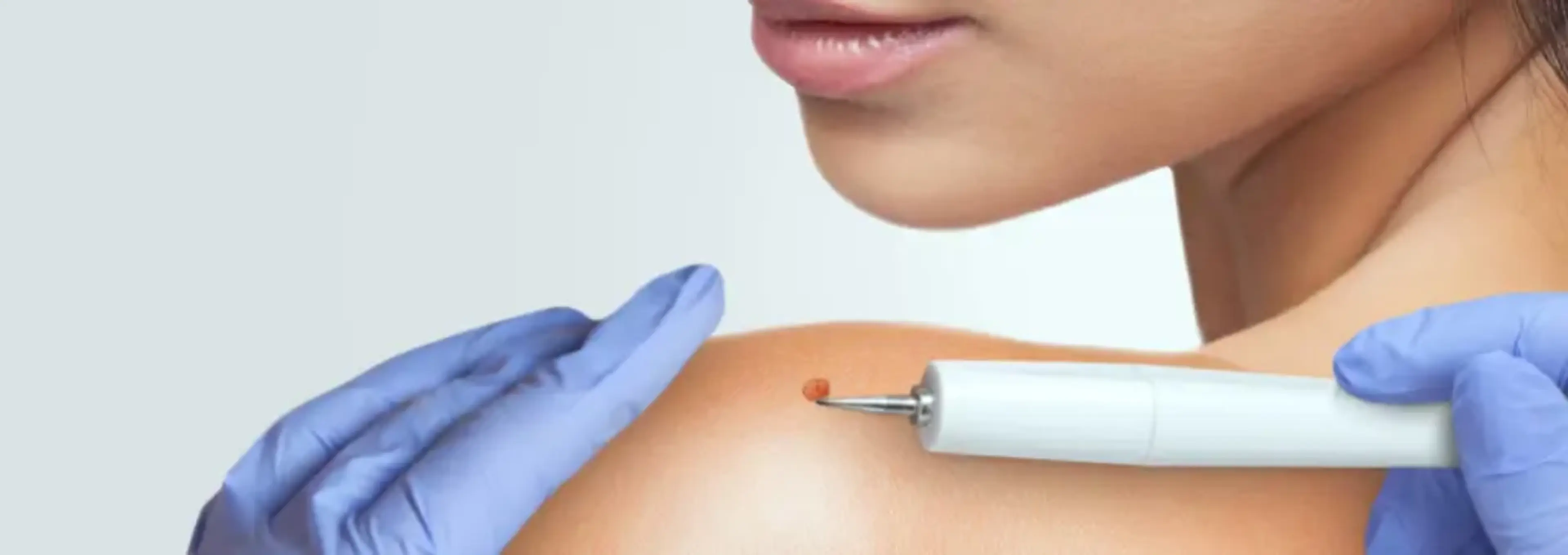
Removing moles for cosmetic reasons is extremely common in Seoul, especially in facial rejuvenation clinics where people want a more refined aesthetic. Unlike large surgical procedures—like facelifts or rhinoplasty—mole removal is small, precise, and done in minutes.
But the artistry lies in the planning. That’s what many patients don’t realize.
A mole positioned along a natural line of facial expression must be treated differently than a mole on flat cheek skin. Even deciding between laser removal, shave excision, or full excision requires an understanding of how the skin will contract and heal.
This is why many patients travel to aesthetic-focused clinics like ours, even from overseas. They want reassurance that the mole will be removed cleanly, beautifully, and safely.
Laser removal is ideal for:
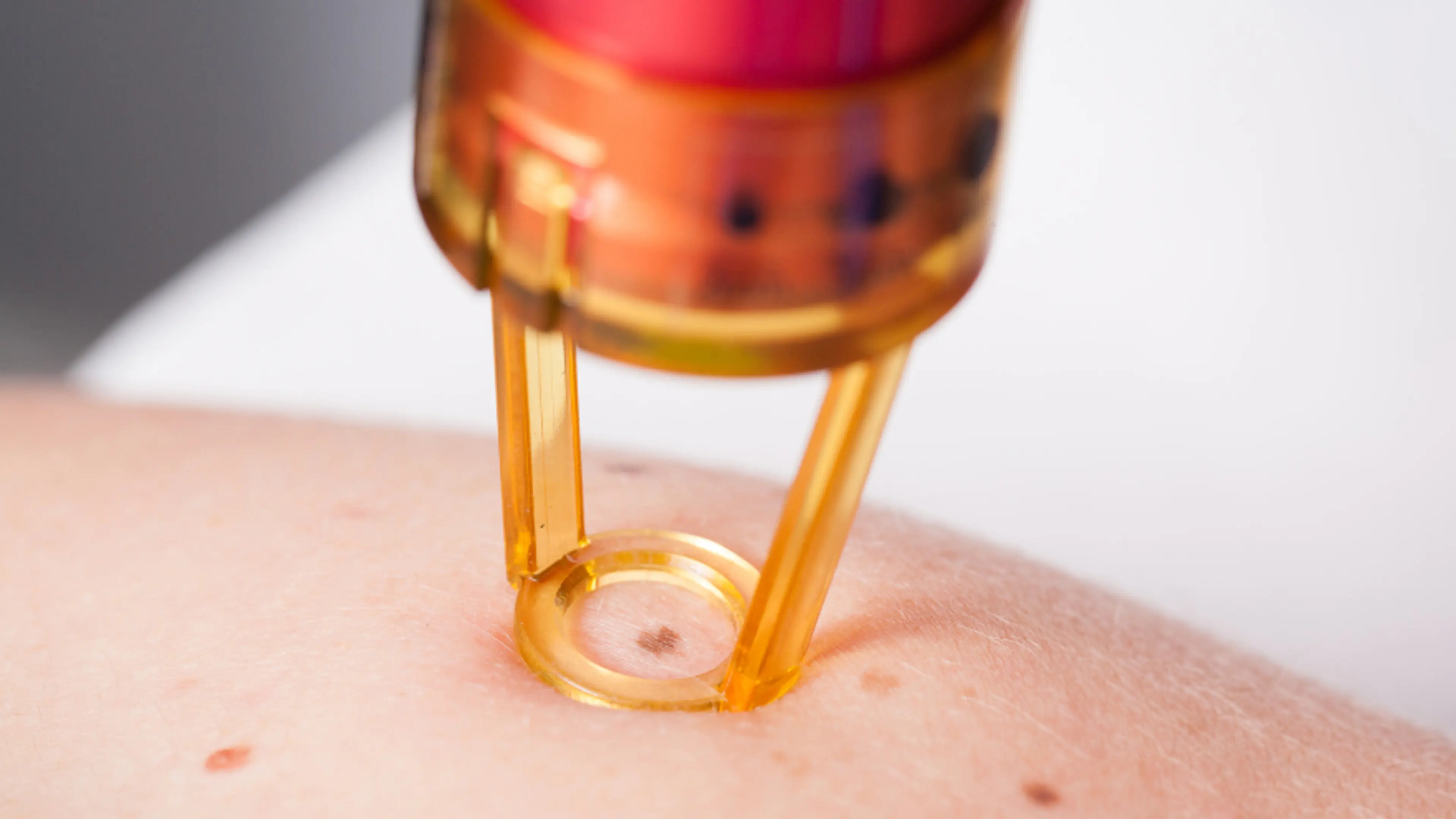
Small, superficial brown moles
Flat pigment-based lesions
Moles that show no warning signs during evaluation
But for deeper or raised moles, surgical removal is usually the gold standard. It sounds more intimidating than it is.
Under local anesthesia, the mole is removed with fine precision, and the wound is closed so delicately that the incision line blends into existing skin texture. The method is closer to fine craftsmanship than what people imagine from a “surgical cut.”
Dr. Kim often compares it to restoring a canvas: you don’t simply erase the mark—you rebuild the fibers subtly so they look like they were always meant to be that way.
And that’s the beauty of medical aesthetics.
Safety isn’t just about using the right tool. It’s about understanding the nature of the mole, the patient’s skin type, and how they heal.
At our clinic in Gangnam, these are the factors we consider before removal:
A laser will only remove pigment at the surface. But if the mole has deeper roots, laser treatment can leave behind remnants that later darken or regrow.
Especially for facial mole removal in Seoul, the incision must follow the skin’s natural tension so the scar becomes barely noticeable over time.
Asian skin, including Korean skin, is more prone to pigmentation after any wound. This means postoperative care—sun avoidance, gentle ointments, and sometimes preventative laser treatments—is just as important as the removal itself.
Any mole that raises suspicion is sent for biopsy. This is one of the biggest advantages of choosing a medically trained plastic surgeon instead of a purely cosmetic laser shop.
To be honest, many patients fear the aftercare more than the removal itself. Let me reassure you: recovery is typically straightforward.
After mole removal—whether laser or surgical—patients usually experience:
Mild redness for a few days
Slight scabbing (especially with laser)
A faint pink mark that gradually fades
What matters most is how you care for the area. Sun protection is non-negotiable. In Korea, even winter UV can darken healing skin. At Arke Clinic, we guide patients through personalized care, checking in during the first 1–2 weeks and again as the skin settles.
Some patients choose to pair mole removal with other aesthetic treatments—like facial rejuvenation procedures, non-surgical skin tightening, or microfat grafting—to unify the skin’s overall appearance.
This combination approach, tailored by Dr. Kim, often results in a more harmonious and natural look.
There’s a quiet moment we often witness at the follow-up visit. A patient touches the smooth skin where a mole used to be and says, almost surprised, “It really does make me feel lighter.”
It’s something people don’t talk about often, but skin changes—especially on the face—carry emotional weight. Removing a mole that has always bothered you isn’t vanity. It’s choosing to feel more at ease in your own reflection.
And when removal protects your health as well, that peace of mind is invaluable.
Whether you’re a local patient or visiting Korea for medical tourism, the best way to begin is with a proper evaluation. Look for a clinic that offers:
Medical analysis of the mole (not just laser-only treatment)
Options for both laser and surgical removal
Experienced surgeons familiar with Asian skin
Personalized aftercare
Arke Clinic in Gangnam is dedicated to safe, natural-looking results—whether you’re removing a mole for aesthetic reasons or protecting your long-term skin health. Under the guidance of Dr. In-Bae Kim, every step is approached with precision and patient-centered care.
If you’ve been considering mole removal, or you’re curious whether a mole is safe, we encourage you to book a consultation with a trusted clinic like ours. Sometimes the smallest change can bring the greatest sense of relief.